The Giza Enigma: Are We Close to Uncovering a Buried Civilization?
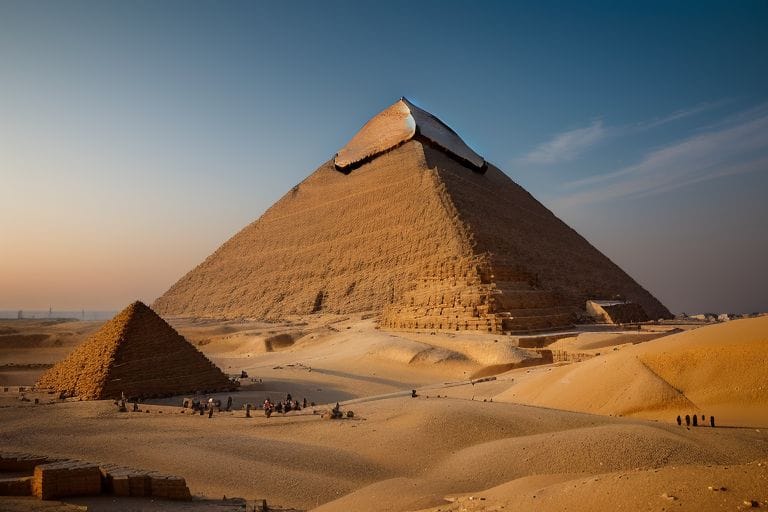
A fresh surge of thrill and debate has swept through the archaeological community. It all began with assertions that there's an extensive web of underground constructions lying beneath the iconic Great Pyramid of Giza. Are we truly on the verge of reshaping our understanding of ancient Egyptian history? Or could this be yet another instance where the allure of a big story has outstripped the available scientific proof? Let's take a more in - depth peek at what's happening beneath the shifting sands of Giza.
The Announcement: A Hidden “City” Beneath the Pyramids?
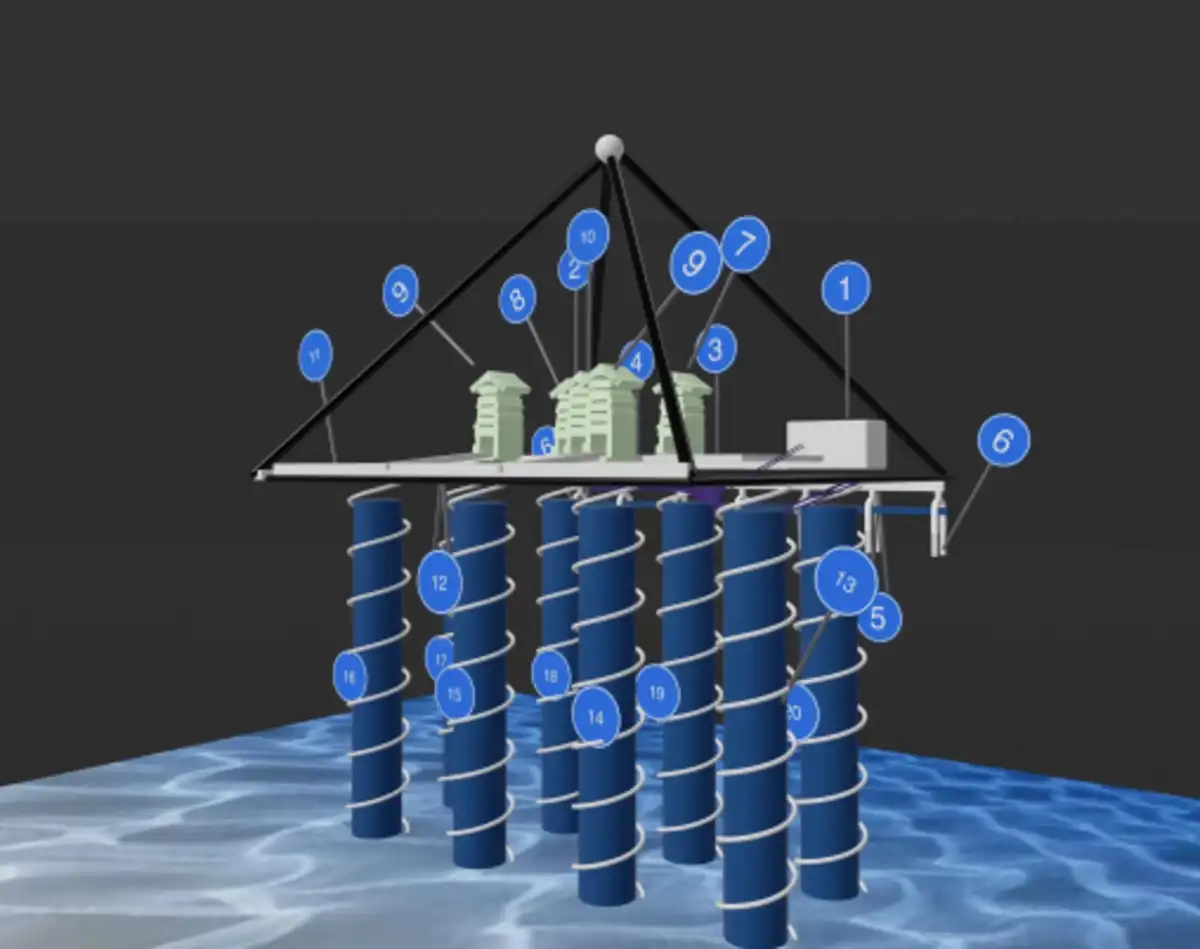
In March 2025, a team of Italian and Scottish researchers, led by Prof. Corrado Malanga (University of Pisa) and Filippo Biondi (University of Strathclyde), announced what they described as a “vast underground city” stretching more than 2 kilometers (over 6,500 feet) below the Giza plateau. They used an advanced form of Synthetic Aperture Radar (SAR) and reported detecting:
- Eight enormous vertical shafts (or wells) extending over 600 meters (2,100 feet) underground
- Five large, identical structures near the base of the Khafre Pyramid, interconnected by geometric corridors
- Spiral ramps and channels resembling a water system
- Two massive cubic structures, each about 80 meters per side, at deeper underground levels
- Pathways and features that, they claim, might correspond to the legendary Hall of Records from Egyptian lore
The researchers argue these findings, if confirmed, could drastically change our understanding of ancient Egyptian engineering and the purpose of the pyramids.
The Technology: SAR and Seismic Vibrations
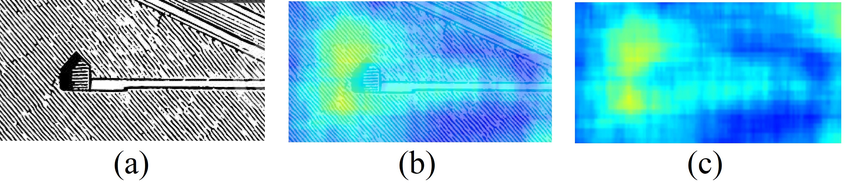
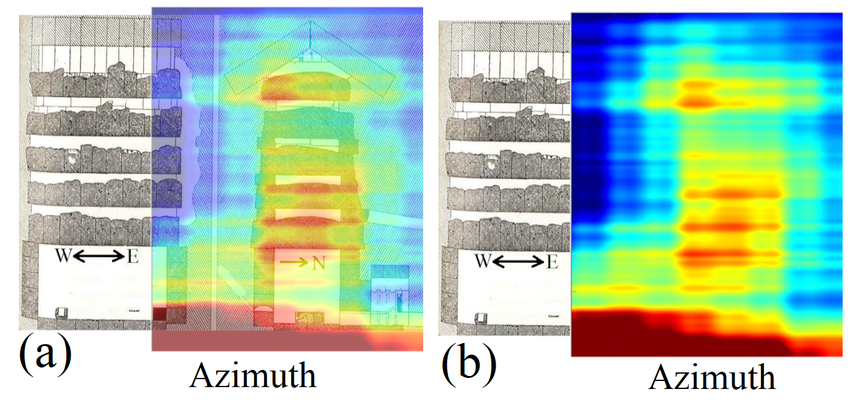
The team combined SAR satellite imaging with analysis of micro-vibrations caused by natural seismic activity. This method, they suggest, allowed them to reconstruct high-resolution, three-dimensional images of the pyramid’s interior and the subsurface beneath the plateau—essentially making the pyramid appear “transparent” to their instruments.
They suggest that this technique enabled them to see much deeper than traditional ground-penetrating radar, revealing features previously hidden from archaeologists.
The Debate: Skepticism from the Scientific Community
Despite the bold claims, many experts remain highly skeptical:
- Technical Limitations: Radar and SAR technology, especially from satellites, typically cannot penetrate solid rock or earth to depths of 600 meters or more. Professor Lawrence Conyers, a radar specialist at the University of Denver, has publicly stated that the technology described “cannot reach such depths underground,” calling the notion of an underground city “significantly overstated”.
- Peer Review and Verification: The primary study underlying these claims has not yet undergone peer review, and much of the information comes from press releases, media reports, and popular science presentations rather than established academic journals.
- Previous Discoveries vs. New Claims: Some commentators point out that earlier discoveries using muography (cosmic-ray imaging) did reveal previously unknown voids inside the Great Pyramid, but nothing on the scale or depth now being claimed.
What Has Actually Been Found?
- Confirmed Discoveries: Previous muography studies have identified voids and chambers within the pyramids, including a significant cavity above the Grand Gallery in the Great Pyramid.
- New Claims: The recent SAR-based findings are not yet corroborated by excavations or independent verification. Most Egyptologists and radar experts urge caution, noting that extraordinary claims require extraordinary evidence.
- Media and Public Response: The story has gained traction in alternative history circles and social media, with some outlets and commentators speculating about lost civilizations, ancient technology, or even connections to legends like the Hall of Records.
Summary Table: Claims vs. Current Evidence
| Claim/Feature | Reported by SAR Team | Independent Verification | Mainstream Expert View |
|---|---|---|---|
| 8 vertical shafts (600m+ deep) | Yes | No | Technologically unlikely |
| 5 large structures near Khafre base | Yes | No | Not substantiated |
| Spiral ramps and water channels | Yes | No | Not substantiated |
| “Underground city” or Hall of Records | Speculated | No | Considered speculative |
| Previous voids (muography, 2017) | No | Yes | Confirmed, but much smaller |

What’s Next?
The group responsible for this discovery has urged for more in - depth investigation, which might involve specific targeted digs. Yet, it's well - known that getting permission to carry out such work on the Giza plateau is an uphill battle. As of now, the Egyptian Ministry of Antiquities has kept silent regarding these new assertions.
In the meantime, the mainstream archaeological circle is patiently waiting for the data to be peer - reviewed and the findings to be independently replicated before they're willing to accept any substantial changes to the known history of the pyramids.
Conclusion
The thought of a huge, long-lost ancient city lying hidden beneath the Great Pyramid of Giza is truly captivating. But let's face it, the current evidence just doesn't offer a clear-cut answer. These new claims based on SAR technology have set off a heated debate and rekindled the public's awe for Egypt's ancient marvels. However, the wider scientific community has yet to verify them. For the time being, this whole story acts as a gentle nudge, reminding us of the long-standing secrets the pyramids hold and the crucial role of thorough, peer-reviewed science in archaeology.
Keep your curiosity high. If future excavations holds the key to verifying the existence of these underground structures. It could go down in history as one of the most remarkable discoveries in recorded history. Until that happens, it's best to approach this with a bit of skepticism and meticulous analysis.