De-extinction of the Dire Wolf: A New Era for Conservation
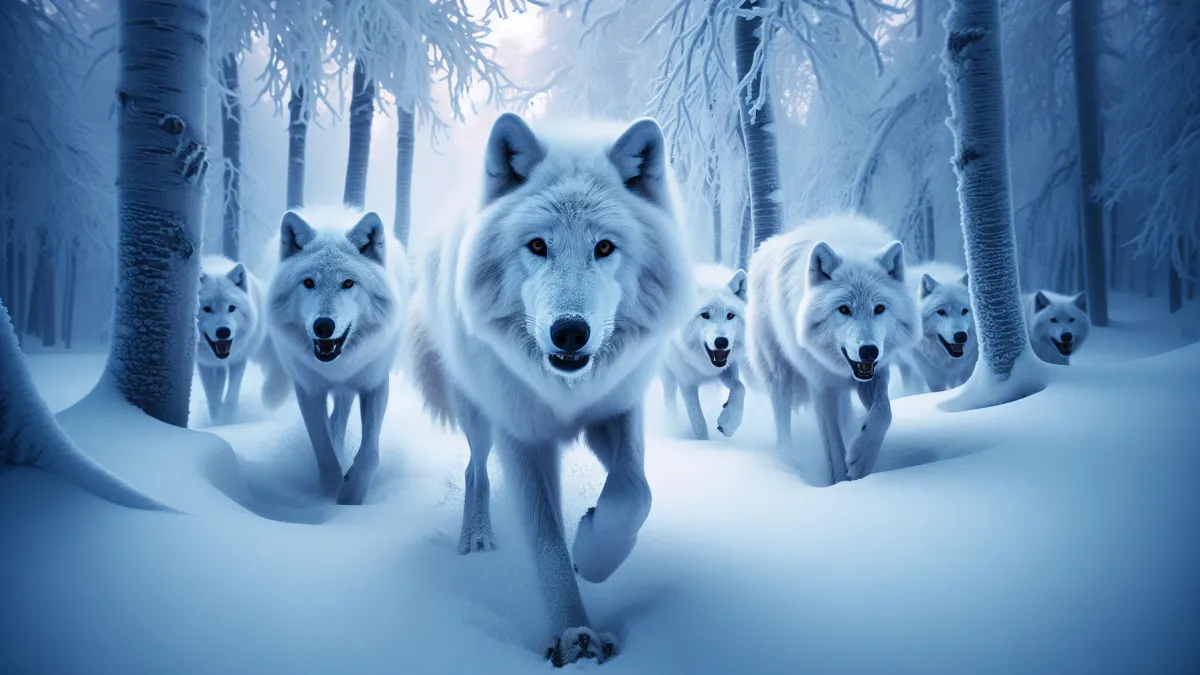
De-extinction, a term that may be new to many, represents a revolutionary leap in science, blending cutting-edge genetics with the dream of restoring lost species. While Merriam-Webster does not yet provide a specific definition, de-extinction is widely understood as "the process of generating an organism that either resembles or is an extinct organism" [1]. This concept has moved from science fiction to reality, with the dire wolf’s revival leading the charge.
Resurrection of the Dire Wolf
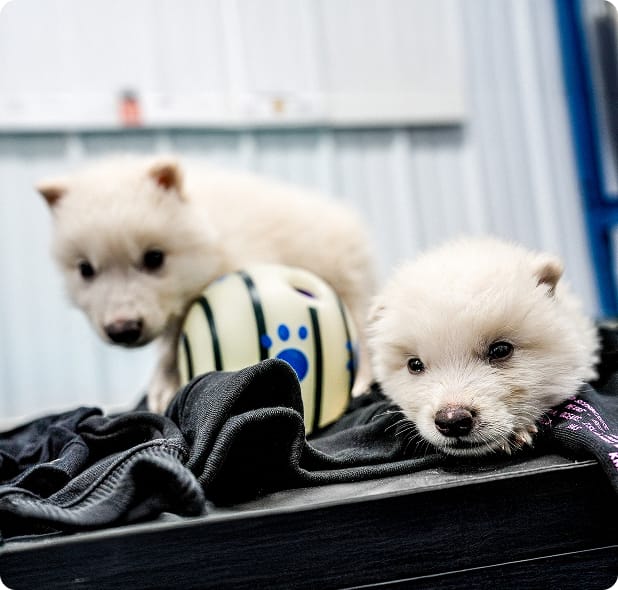
On October 1, 2024, Colossal Biosciences, a Dallas-based biotech company, announced a historic achievement: the de-extinction of the dire wolf (Aenocyon dirus), a species extinct for over 10,000 years [2]. Three pups—Romulus, Remus, and Khaleesi—were born using ancient DNA and gene-editing technology. This milestone marks the first successful de-extinction of a species gone for millennia, celebrated as a triumph of American innovation by U.S. Secretary of the Interior Doug Burgum [2]. The pups, certified by American Humane for welfare, live in a secure 2,000-acre facility, enjoying spacious habitats and socialization [2].
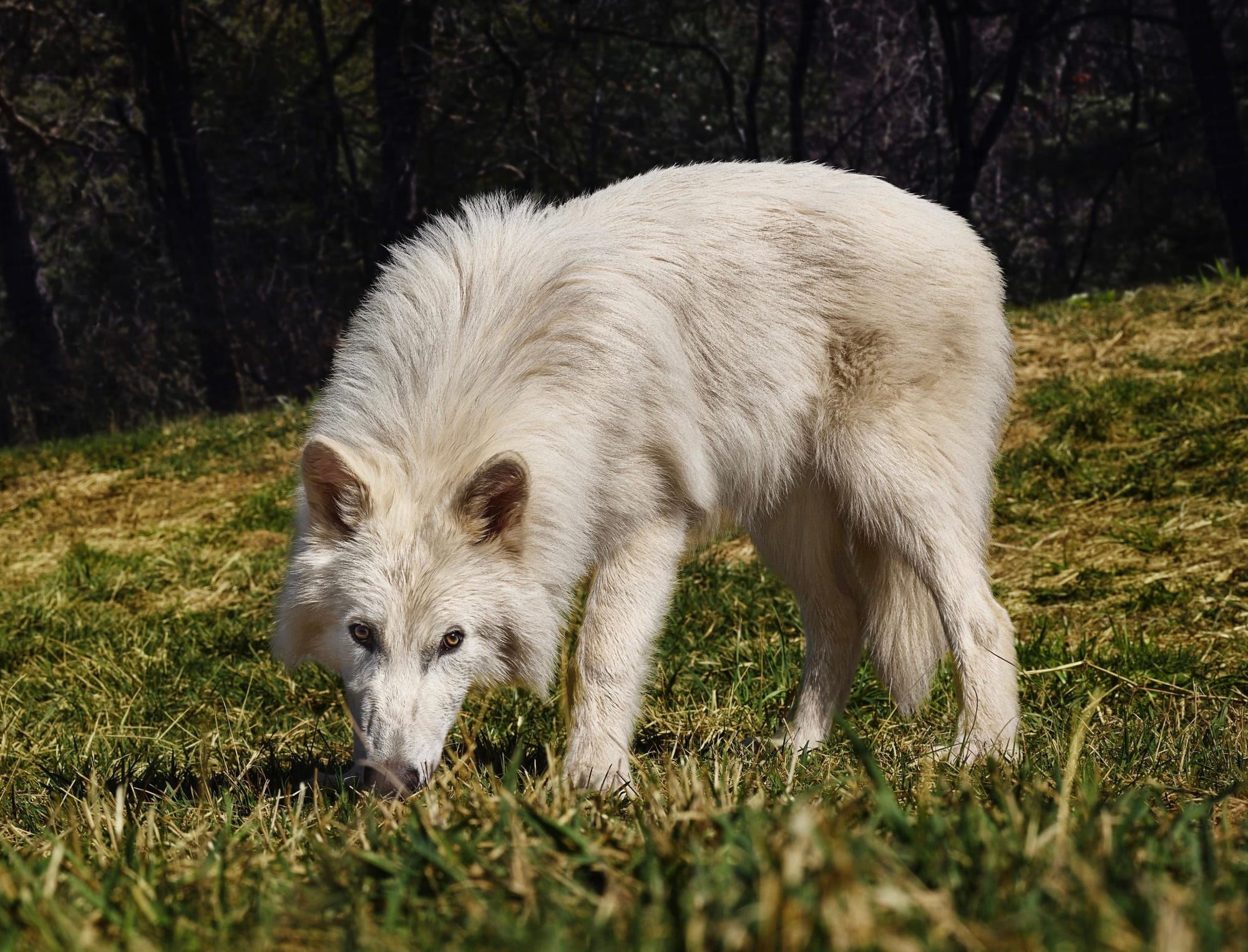
However, the project is not without controversy. Some experts, like zoologist Philip Seddon, argue that these pups are genetically modified gray wolves rather than true dire wolves, as they possess a 99.9% gray wolf genome [5]. Despite this, the pups exhibit dire wolf traits, such as white fur and muscular jaws, making them a close approximation [6].
The Science Behind De-extinction
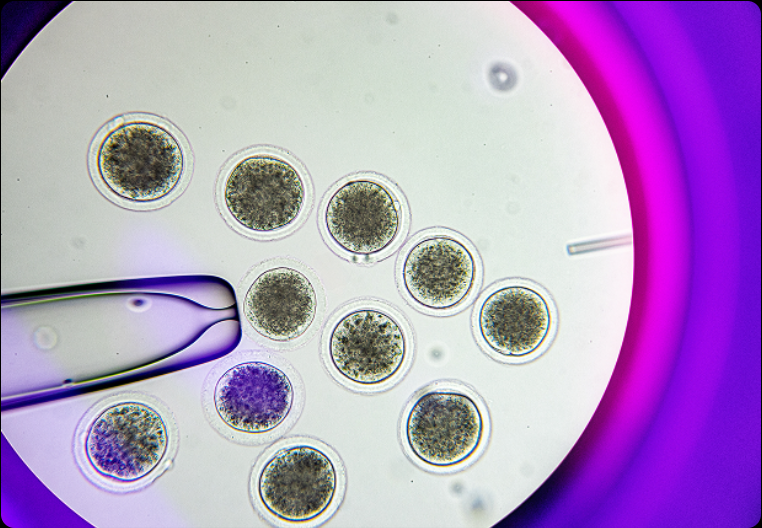
In a true feat of modern science, the once-extinct dire wolf has made a comeback, thanks to the magic of genetic engineering. Scientists at Colossal Biosciences have managed to dig deep into the past, extracting pure DNA from dire wolf fossils that are around 72,000 years old [4]. Using the incredibly advanced CRISPR technology, they were able to make some super-precise edits to the genome of the gray wolf, inserting pure dire wolf genes (or its expression) into the mix. This complex genetic procedure culminated with embryos being carefully carried to term in surrogate canine mothers, resulting in the first hybrid pups of this long-lost icon. This whole groundbreaking process truly reveals the powerful potential of gene-editing science to rebuild not just the past, but the future of lost species.
The technology also holds promise for conservation. James Kehler, Vice President of BioSynergy at Colossal, noted that cloning from a standard blood draw could transform efforts to preserve genetic diversity in endangered species [7]. For instance, Colossal has cloned four red wolves, a critically endangered species with fewer than two dozen left in the wild [8].
Perspectives from Biologists and Conservationists
The quest to resurrect the ancient dire wolf is sparking excited buzz among scientists, who view it as a shining example of conservation at its best. Andrew Pask, Ph.D., a leading researcher from the University of Melbourne, praised its potential to stabilize ecosystems: "Apex predators are critical to stabilizing entire ecosystems, and their loss can have profound impacts on biodiversity" [3]. Kristin Brzeski, Ph.D., a conservation geneticist, highlighted that de-extinction tools could enhance genetic viability for species like the red wolf, with only 18-20 individuals remaining in the wild as of April 2024 [3].
Indigenous leaders also support the project, viewing it as culturally significant. Mark N. Fox, National Tribal Chairman, described the dire wolf’s return as “a reawakening – a return of an ancient spirit to the world,” emphasizing its role in stewardship [3]. The Nez Perce Tribe, in partnership with Colossal, aims to leverage these technologies to protect wolves across their traditional homelands [3].
Insights from Dire Wolf Fossils
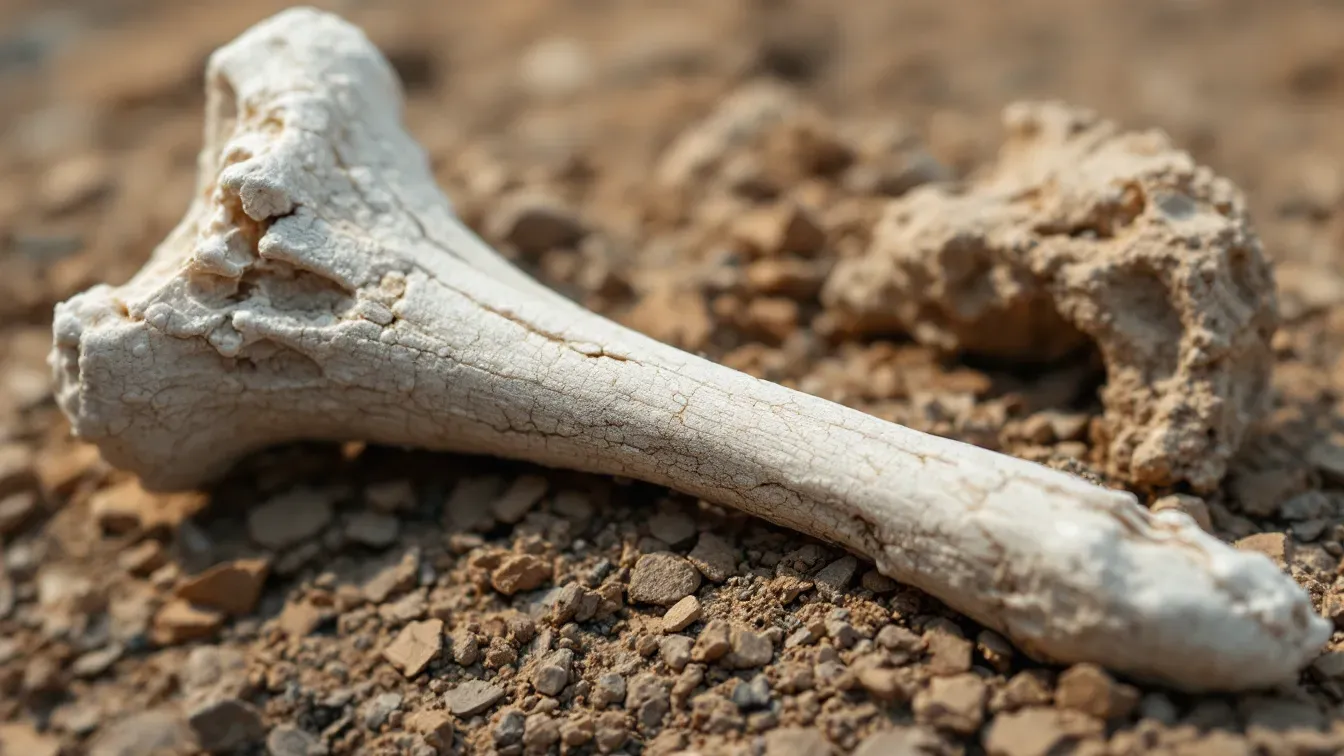
What we've discovered about the dire wolf so far paints a vivid picture of its world. These remarkable canines called the Americas home, living out their existence during the Late Pleistocene and Early Holocene, a span of time roughly from 125,000 to 10,000 years ago. Compared to the gray wolves we know today, they were larger, heavily built creatures–as evident from their robust skulls and massive teeth, perfectly adapted for taking down big game like bison and horses [9]. Perhaps the most dramatic chapter in their fossil record comes from Los Angeles' Rancho La Brea Tar Pits. It's there that the largest collection of dire wolf remains has been found, over 3,600 individuals, offering a chilling snapshot of how many likely succumbed while chasing prey into the sticky doom of natural tar seeps [10].
Genetic studies reveal dire wolves were not closely related to gray wolves but descended from a distinct North American lineage, possibly warranting a separate genus, Aenocyon [11]. Their stockier build and shorter limbs suggest they were powerful but less agile than gray wolves [13]. Their extinction around 10,000 years ago likely resulted from climate change, prey loss, and human competition [12].
Reconstructing Dire Wolf Life
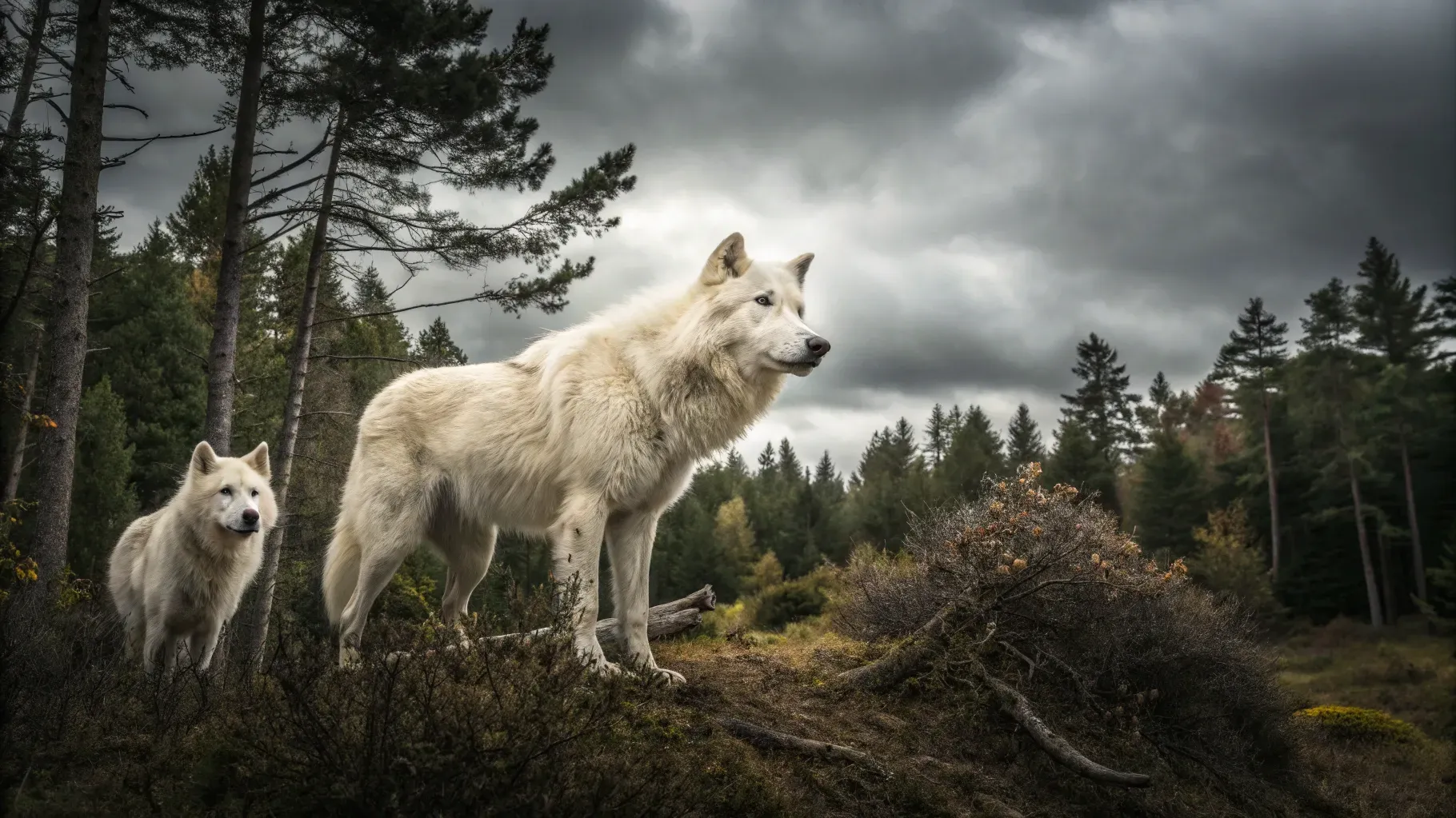
Without living observers, scientists rely on fossils to infer dire wolf behavior and appearance. Dire wolves were likely pack hunters, similar to gray wolves, with fractured teeth indicating fierce competition for prey [14]. Their robust physique, with larger teeth and greater shearing ability, made them effective apex predators [14]. Recent studies suggest they had lighter, possibly white or reddish fur, aiding camouflage across diverse terrains [12].
| Characteristic | Dire Wolf | Modern Gray Wolf |
|---|---|---|
| Size | Larger, ~150 lbs | Smaller, ~80-120 lbs |
| Skull | More robust, larger teeth | Less robust, smaller teeth |
| Limbs | Shorter, stockier | Longer, more agile |
| Fur Color | Likely white/reddish | Typically gray/brown |
| Hunting Style | Pack hunter, large prey | Pack hunter, varied prey |
Ethical and Environmental Considerations
While de-extinction is exciting, it raises ethical questions. Should resources be allocated to reviving extinct species when endangered ones need urgent help? Could revived species disrupt modern ecosystems? For instance, dire wolves, as apex predators, might affect prey populations or compete with native species [16]. Additionally, the pups’ hybrid nature raises questions about their authenticity as dire wolves [4].
These concerns underscore the need for collaboration with conservationists and bio-scientists. Their expertise can guide responsible de-extinction, ensuring ecological balance and ethical integrity. Alta Charo, J.D., emphasized, “As humans, we have a unique capacity and moral obligation to steward the earth for the benefit of all living things” [3]. Gaining broader support from the scientific community will legitimize and refine these efforts.
Beyond the Dire Wolf: Broader Impacts
De-extinction offers more than just species revival. The technologies developed, such as CRISPR and cloning, can enhance genetic diversity in endangered species. Colossal’s work with red wolves demonstrates this potential, addressing the genetic bottleneck faced by a population founded by just 14 individuals [3]. These advancements could benefit other species, like the bolson tortoise, compromised by reduced genetic diversity [3].
Public engagement is another benefit. The dire wolf, popularized by “Game of Thrones,” captures imaginations, making it a powerful tool for raising conservation awareness [15]. Educational campaigns can inspire action to protect biodiversity, as noted by wildlife biologist Forrest Galante: “This monumental achievement demonstrates that we can give extinct species a second chance at life” [3].
A Future of Possibilities
For most animal lovers, the return of the dire wolf is greeted with a warm welcome. It makes you wonder about the real possibility of bringing back other amazing, extinct species. Just imagine seeing woolly mammoths once more, stomping across the tundra. Picture dodos, those gentle flightless birds, finally wandering freely through the forests of Mauritius again. It’s a powerful thought, representing a chance to correct some of the damage we've caused. We could even envision Tasmanian tigers back in Australia's wilds, helping to restore balance and manage invasive species [13]. If managed responsibly and ethically, such projects could do so much to enrich our planet's biodiversity and teach us so much more about the creatures we've sadly lost over time.
The dire wolf’s revival proves de-extinction is no longer a dream but a reality. As Bridgett vonHoldt, Ph.D., stated, “We now have the technology to revive extinct genetic diversity and species… just the start of numerous species we can bring back” [2]. By addressing ethical and ecological challenges and fostering scientific collaboration, de-extinction can pave the way for a more diverse, vibrant world.
Video by Colossal Biosciences on Youtube.
In conclusion, the return of the dire wolf really shows what human ingenuity can achieve and gives us a chance to fix some of the mistakes we've done in the past. Sure, there are still all sorts of challenges to overcome, but the potential upsides– scientifically, for the environment, and on a cultural level–are huge. As we look towards this new frontier where bringing lost species back isn't just a dream, the whole idea inspires a lot of hope. We might one day get to share our world with a much richer variety of life, think dire wolves, mammoths, and who knows what else.
Citations
- De-extinction Wikipedia Page
- Colossal Biosciences Dire Wolf Project
- Colossal Biosciences Conservation Perspectives
- CNN Dire Wolf De-extinction Article
- BBC Experts Dispute Dire Wolf Claim
- AP News Dire Wolf Genetic Engineering
- Colossal Biosciences Science of De-extinction
- ABC News Dire Wolf Revival Story
- Wikipedia Dire Wolf Fossil Information
- San Diego Natural History Museum Dire Wolf
- Scientific American Dire Wolf Genetic Study
- National Geographic Dire Wolf DNA Insights
- Britannica Dire Wolf Characteristics
- Colossal Biosciences Dire Wolf Biology
- New York Times Dire Wolf De-extinction
- Scientific American De-extinction Technology